Fulcra
Fulcra names the framework behind every high-stakes recommendation, so you can check the reasoning.
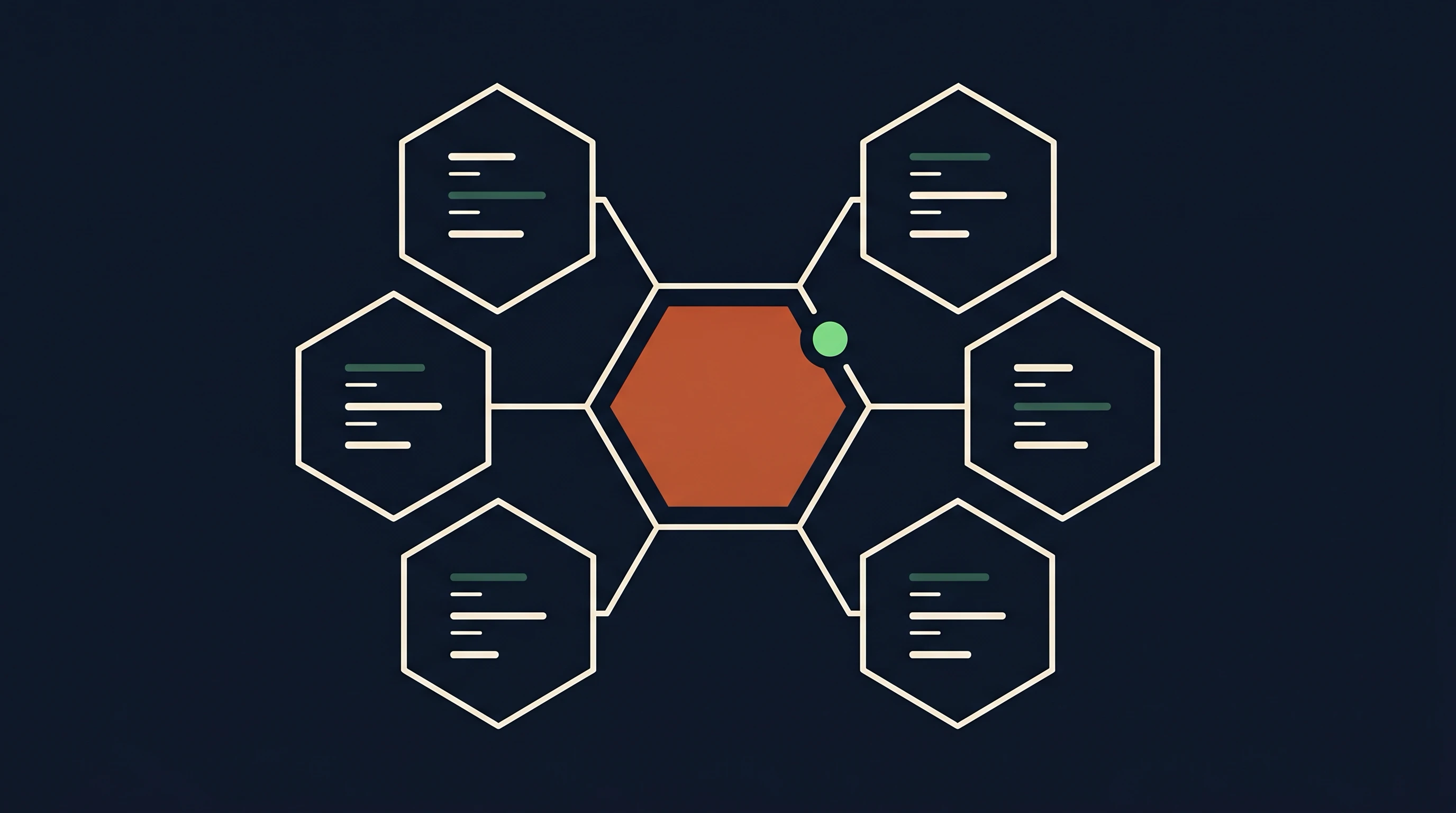
Ask a chatbot for guidance on a hard decision and it flatters you, equivocates, and pads the answer with bullet points. A deliberate decision needs two things stated up front: the assumptions behind the situation, and the framework you're using to reason through it. Most chat interfaces name neither, so nothing is auditable and the user has no basis to trust the recommendation.
The spark was Ray Dalio's Principles: good decisions come from being explicit about the frameworks you're using. The move was to wire that discipline into a chat agent. Most assistants expand the conversation. Fulcra funnels. It picks a named framework from a curated library for the situation you've brought it (razors, mental models, cognitive-bias checks), surfaces it for your assent, and reasons strictly inside it. The alternative, a universal assistant willing to opine on anything, flatters the user and washes out the recommendation. Naming the framework first makes the reasoning auditable and gives you something concrete to push back on before you accept the answer.
Fulcra is a decision-assistant app with two halves: a curated library of 167 frameworks across seven categories (decision-making, risk, strategic thinking, mental clarity, problem-solving, communication, learning), and an agent that reasons strictly inside the framework you've picked. Responses follow a fixed shape: recommendation, clarifying questions, low-cost experiments to run, a risk watchlist of cognitive biases to watch for, and citations back to the frameworks consulted. Two depth modes right-size the work: Decision mode for a 150–300 word action-oriented answer, Strategy mode for a 600–1000 word multi-viewpoint read with second-order thinking. Retrieval uses intent detection, HyDE, Reciprocal Rank Fusion, and LLM reranking, so the framework chosen for your problem isn't the first vector-search hit.
Without it, a fluent-sounding recommendation you have no way to audit or push back against. With it, a named framework you can argue with, a recommendation grounded in it, and the same frame available the next time a similar decision comes up.
You can argue with a framework. You cannot argue with vibes.